Inventory Management System: The Complete Guide for Modern Businesses
Inventory Management System: The Complete Guide for Modern Businesses (2026)
Introduction
In today’s fast paced business environment, managing inventory efficiently is no longer optional—it’s essential. Whether you run a small retail shop, an ecommerce store, or a large warehouse operation, an inventory management system helps you track stock, reduce errors, and improve profitability.
Without proper inventory control, businesses risk overstocking, stockouts, and financial losses. This is why more companies are switching to digital inventory solutions.
What is an Inventory Management System?
An inventory management system is software designed to track, manage, and organize inventory levels, orders, sales, and deliveries in real time.
It provides businesses with full visibility over:
Stock levels
Product movement
Purchase and sales history
Supplier management
Modern systems are often cloud based, allowing access from anywhere and enabling automation of repetitive tasks.
Why Inventory Management is Important
Effective inventory management is crucial for business success. Here are the key reasons:
1. Prevent Stockouts and Overstocking
Running out of stock can lead to lost sales, while overstocking increases storage costs. A good system balances supply and demand efficiently.
2. Improve Cash Flow
Inventory is tied to money. Managing it properly ensures your capital is not stuck in unsold products.
3. Increase Accuracy
Manual tracking leads to human errors. Automated systems reduce mistakes and improve data reliability.
4. Better Decision Making
With real time data, you can analyze trends and make smarter business decisions.
Key Features of a Good Inventory Management System
When choosing a system, look for these essential features:
Real Time Inventory Tracking
Monitor stock levels instantly across multiple locations.
Barcode Scanning
Speed up operations and reduce human errors with barcode integration.
Stock Alerts
Get notified when inventory reaches minimum levels.
Multi Location Management
Manage warehouses, stores, or branches from one platform.
Reporting and Analytics
Generate reports on sales, inventory turnover, and product performance.
Integration Capabilities
Connect with accounting software, e commerce platforms, and POS systems.
Types of Inventory Management Systems
Different businesses require different solutions:
1. Manual Inventory System
Uses spreadsheets or paper
Low cost but high risk of errors
2. Periodic Inventory System
Updates inventory at specific intervals
Suitable for small businesses
3. Perpetual Inventory System
Real time tracking
Ideal for growing and large businesses
Benefits of Using Inventory Management Software
Implementing inventory software can transform your operations:
✔ Reduced operational costs
✔ Improved order fulfillment
✔ Enhanced customer satisfaction
✔ Better demand forecasting
✔ Increased efficiency
Inventory Management Best Practices
To maximize results, follow these best practices:
1. Use Automation
Automate stock updates, alerts, and reporting.
2. Conduct Regular Audits
Even with software, periodic checks ensure accuracy.
3. Optimize Reorder Points
Set minimum stock levels based on demand patterns.
4. Categorize Inventory
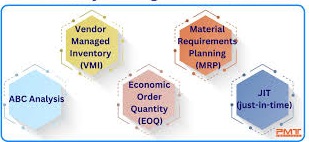
Use methods like ABC analysis to prioritize high value items.
5. Track Inventory Turnover
Identify slow moving and fast selling products.
Common Challenges in Inventory Management
Businesses often face these issues:
Inaccurate stock data
Lack of real time visibility
Poor demand forecasting
Inefficient warehouse management
A modern system helps solve these problems effectively.
How to Choose the Right Inventory Management System
Before selecting software, consider:
Business size and needs
Budget
Ease of use
Scalability
Customer support
Integration options
For startups, a simple and affordable cloud based solution is often the best choice.
Future Trends in Inventory Management
The future of inventory management is driven by technology:
AI powered demand forecasting
IoT enabled smart warehouses
Real time analytics dashboards
Mobile inventory management apps
Businesses that adopt these innovations early will gain a competitive advantage.
Conclusion
An inventory management system is a powerful tool that helps businesses streamline operations, reduce costs, and improve customer satisfaction.
Whether you are just starting or scaling your business, investing in the right system will provide long term benefits and help you stay ahead of competitors.